Our Origin Story: A Recovering Community
Aerial view of a Greenville, Ca after the Dixie Fire of 2021 with trees, roads, and some buildings, showing damage and debris from a recent fire or disaster.

In 2021, the Dixie Fire burned nearly one million acres…

Destroying 1,300 structures,

700 homes, and

the rural community

of Greenville, CA.

Driven by the urgency to rebuild fire-devastated communities, Mosaic Timber was launched to manufacture CLT panels for homes in Greenville and beyond.

The initiative aims to rebuild a local regenerative economy that includes the following:

01
Forest Restoration and Fuels Reduction Projects
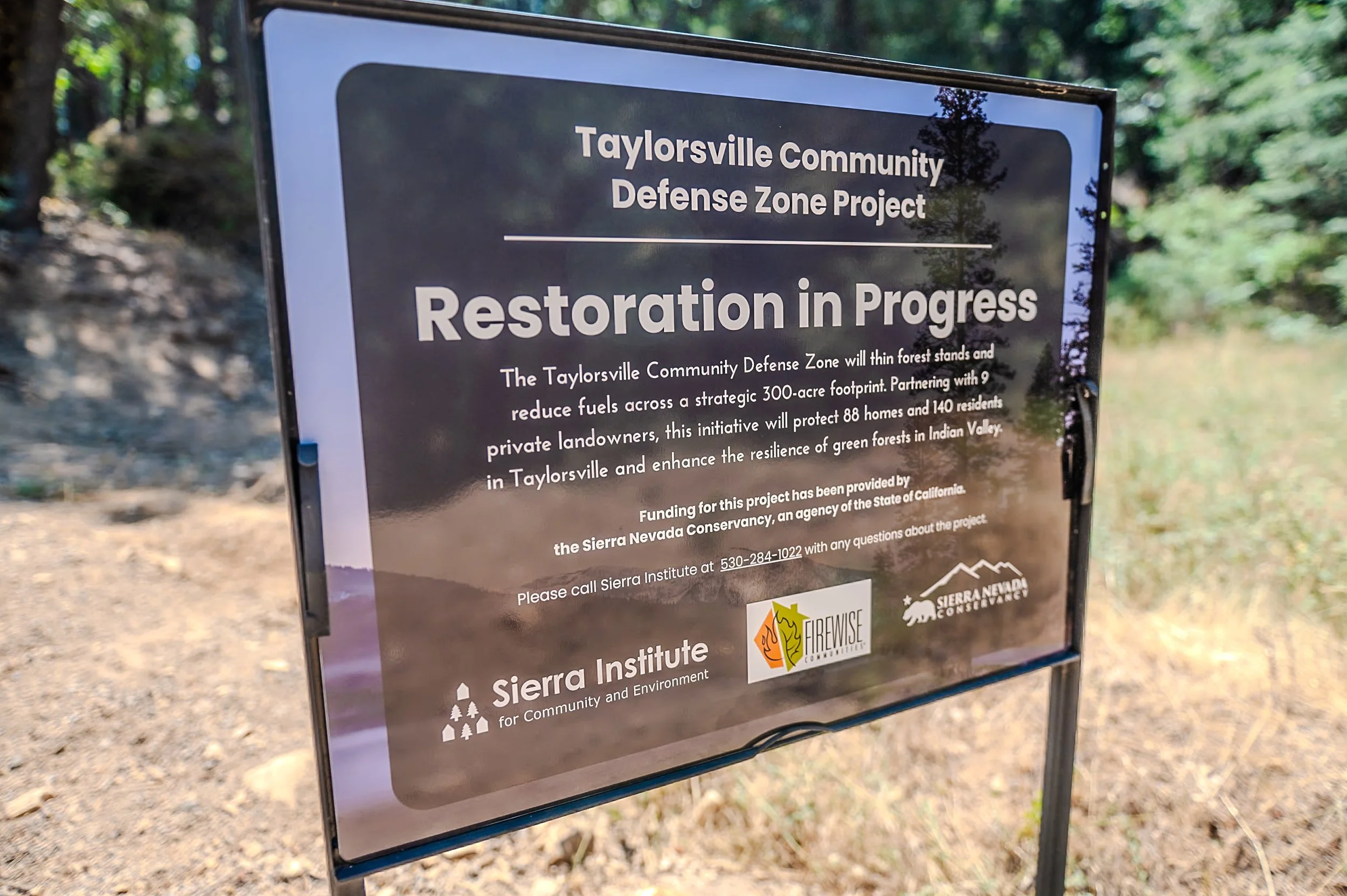
Sign about the restoration project in Taylorsville, showing the Taylorsville Community Defense Zone Project, emphasizing thinning forest stands to reduce fuels, and partnerships with Sierra Nevada Conservancy and Sierra Institute.

02
Local Jobs and Revitalized Timber Economies
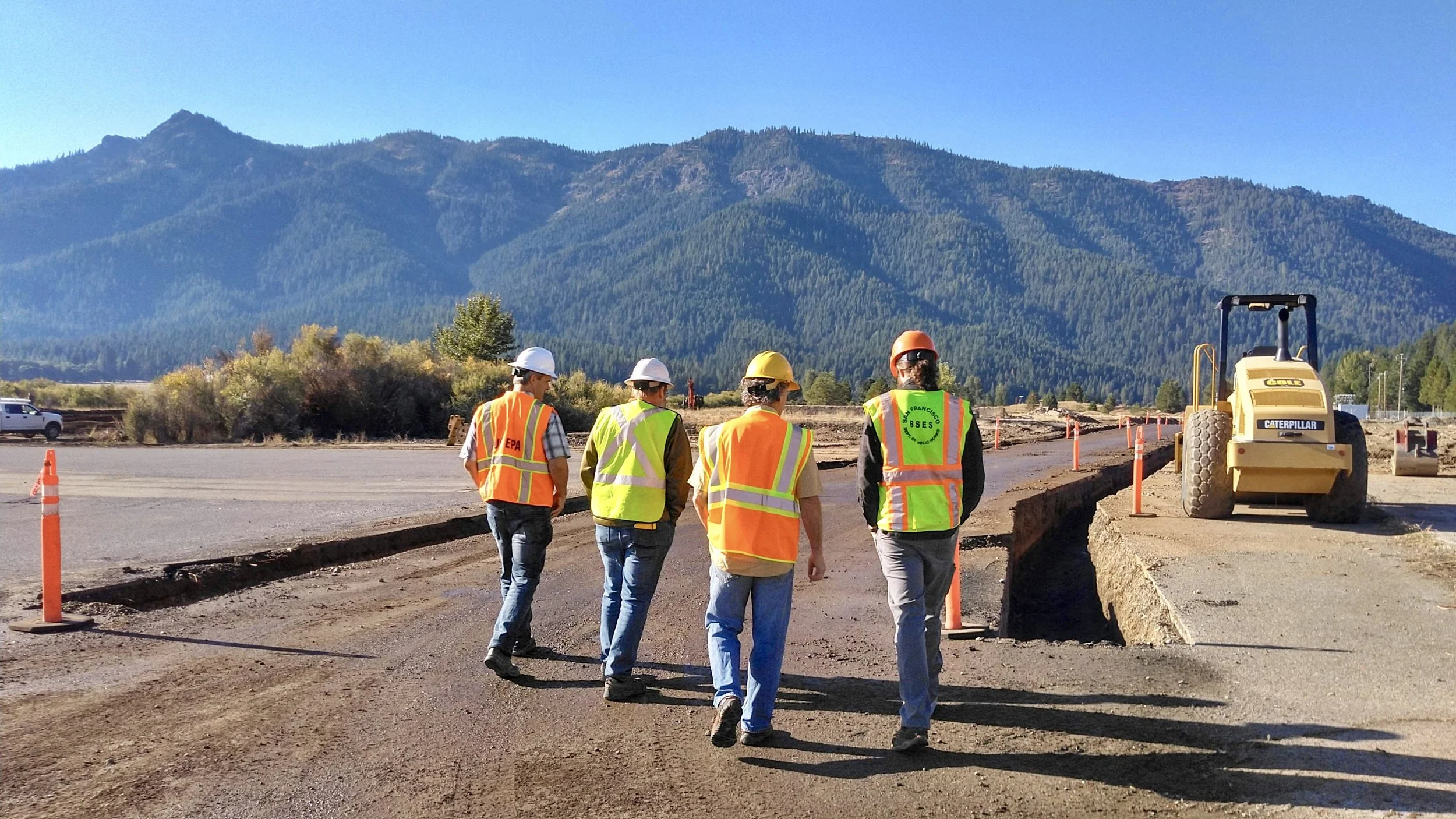
Staff and site workers in safety vests and helmets walking along a dirt road at the Crescent Mills site with mountains in the background.

03
Highly Fire-Resistant, Carbon-Smart Homes
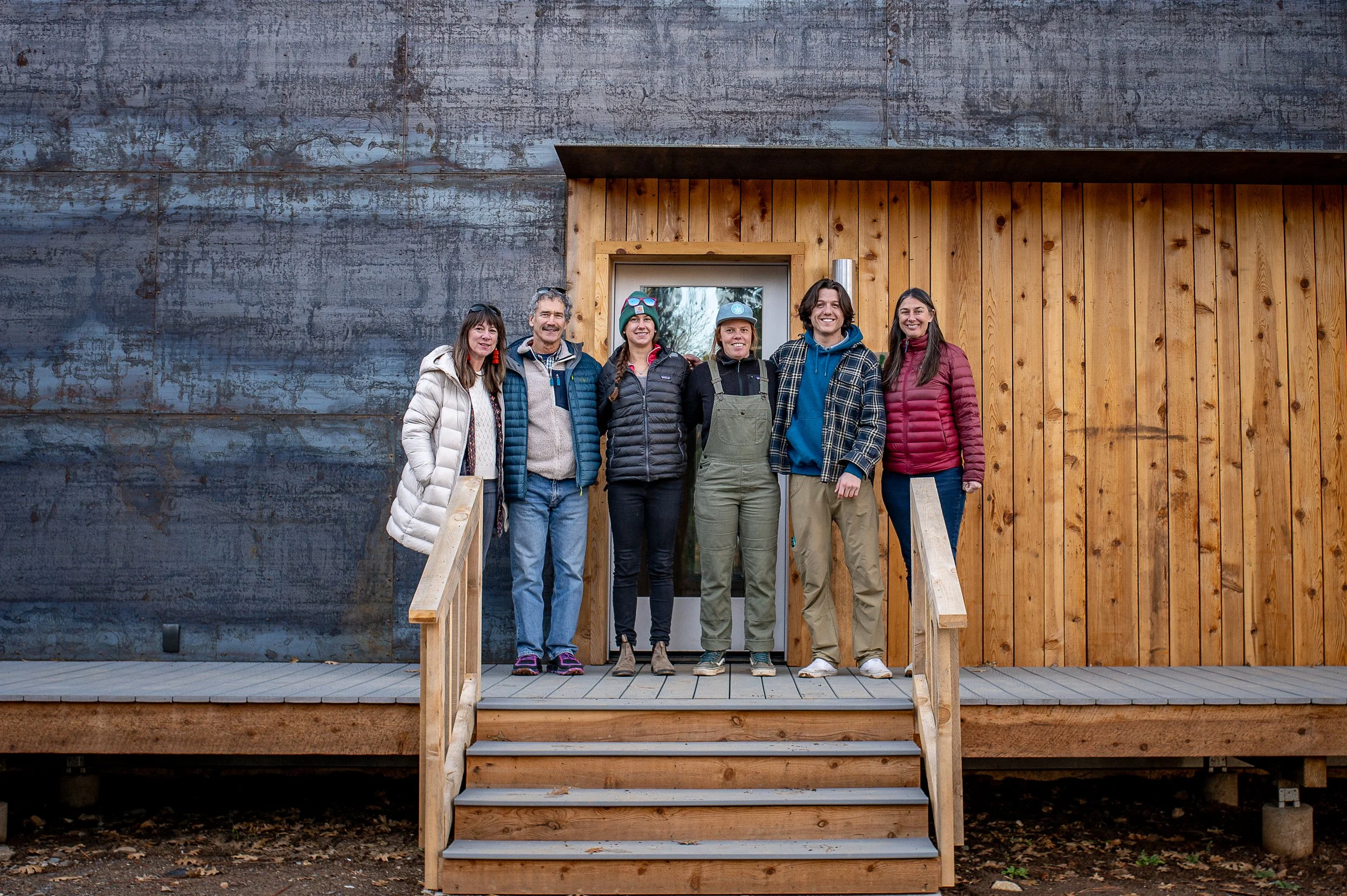
Group of six people standing on CLT wooden stairs in front of a CLT home with a mix of wood and steel siding, posing for photo outdoors.

Mosaic Timber is a project of the Sierra Institute for Community and Environment, a not-for-profit organization, which has experienced wildfire devastation firsthand.

In the News:

“GREENVILLE, Calif. — To descend the grade of State Highway 89 into the rubble of Greenville is to retrace the steps of a community’s trauma. It was here that the second largest wildfire in California history — and the first ever to burn from one side of the Sierra Nevada to the other — decimated the town of about 1,000 people.”

— New York Times, “Greenville was destroyed by wildfire. Can it be rebuilt to survive the next one?” (Cited URL)

“Creating a high-value, value-added product like CLT panels from forest restoration work is not only good business, it’s the foundation of building a regenerative economy in the Northern Sierra,” said Sierra Institute Executive Director Jonathan Kusel.”

— The Plumas Sun, “Mosaic Timber receives manufacturing equipment” (Cited URL)

Small-Diameter Wood Utilization

Information sign about the Taylorville Community Defense Zone Project restoration in progress with logos of Sierra Institute, Firewise, and Sierra Nevada Conservancy.

Small-diameter and non-merchantable timber are common byproducts of forest restoration treatments done to prevent catastrophic wildfire, like thinning and fuels reduction.

However, these projects are expensive and healthy forest management is impossible to sustain without ongoing subsidy or building an economy that will pay for products developed from restoration work.
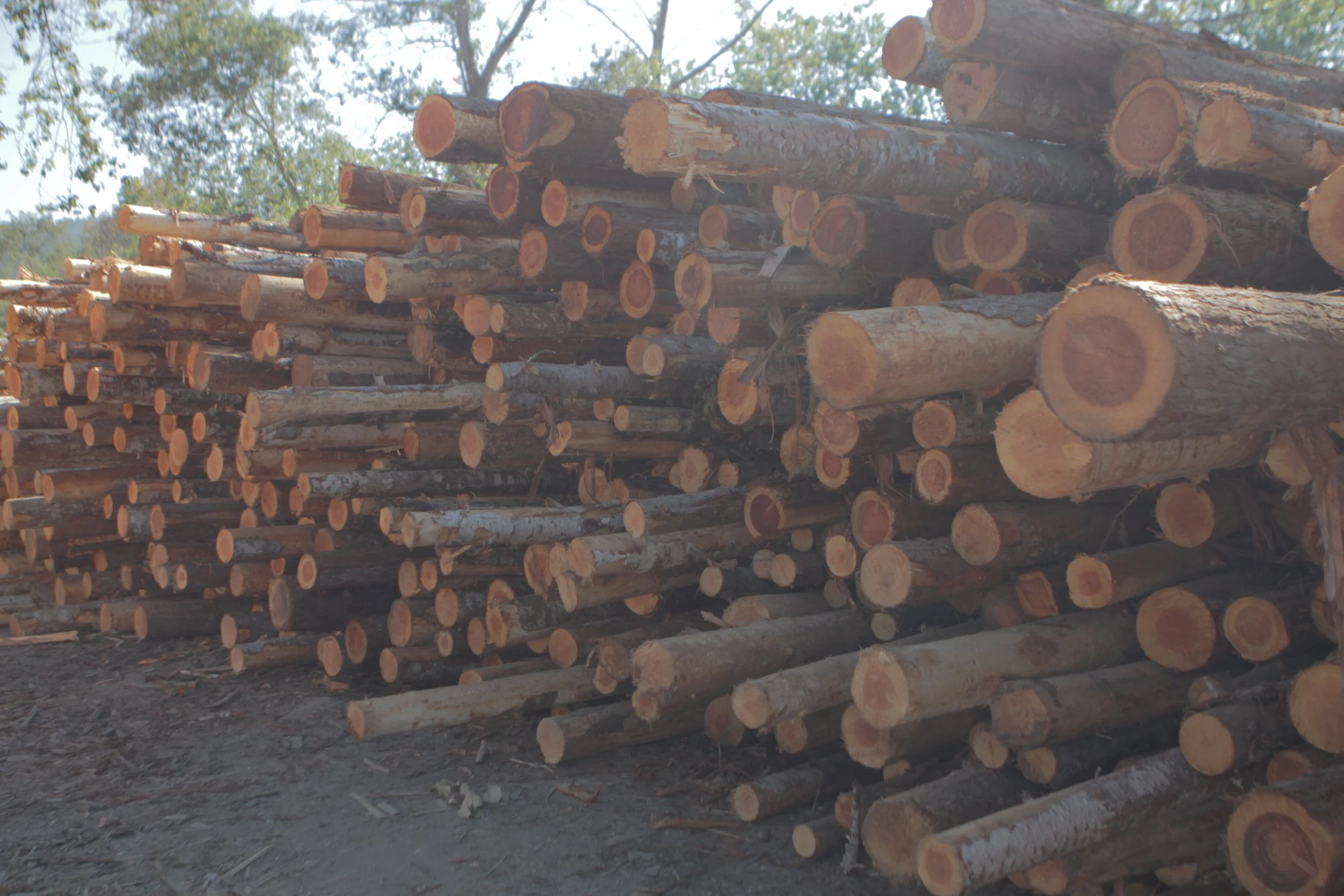
CLT will utilize low-value restoration wood in a high-value product, paying for ongoing stewardship of our forests.


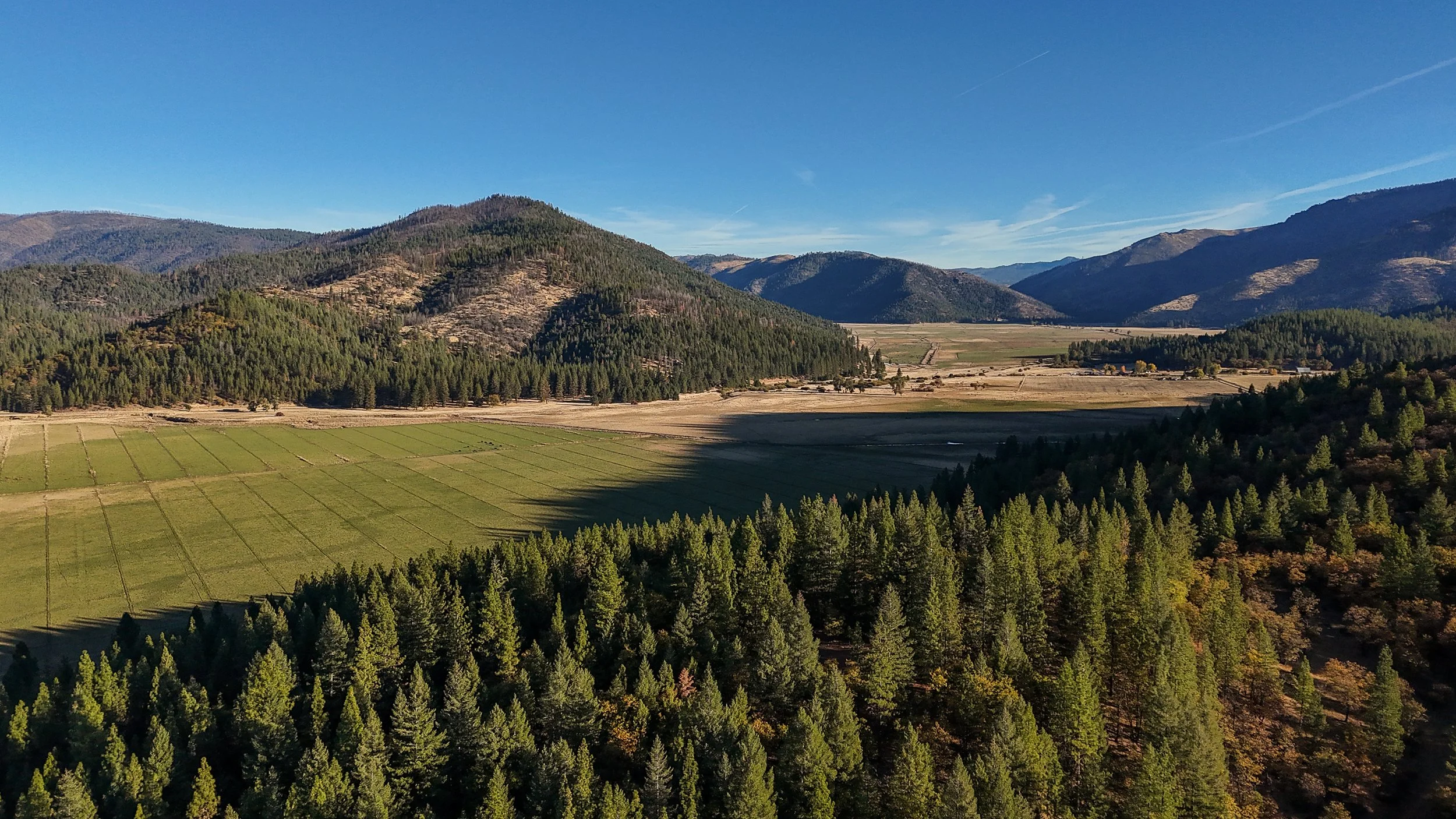
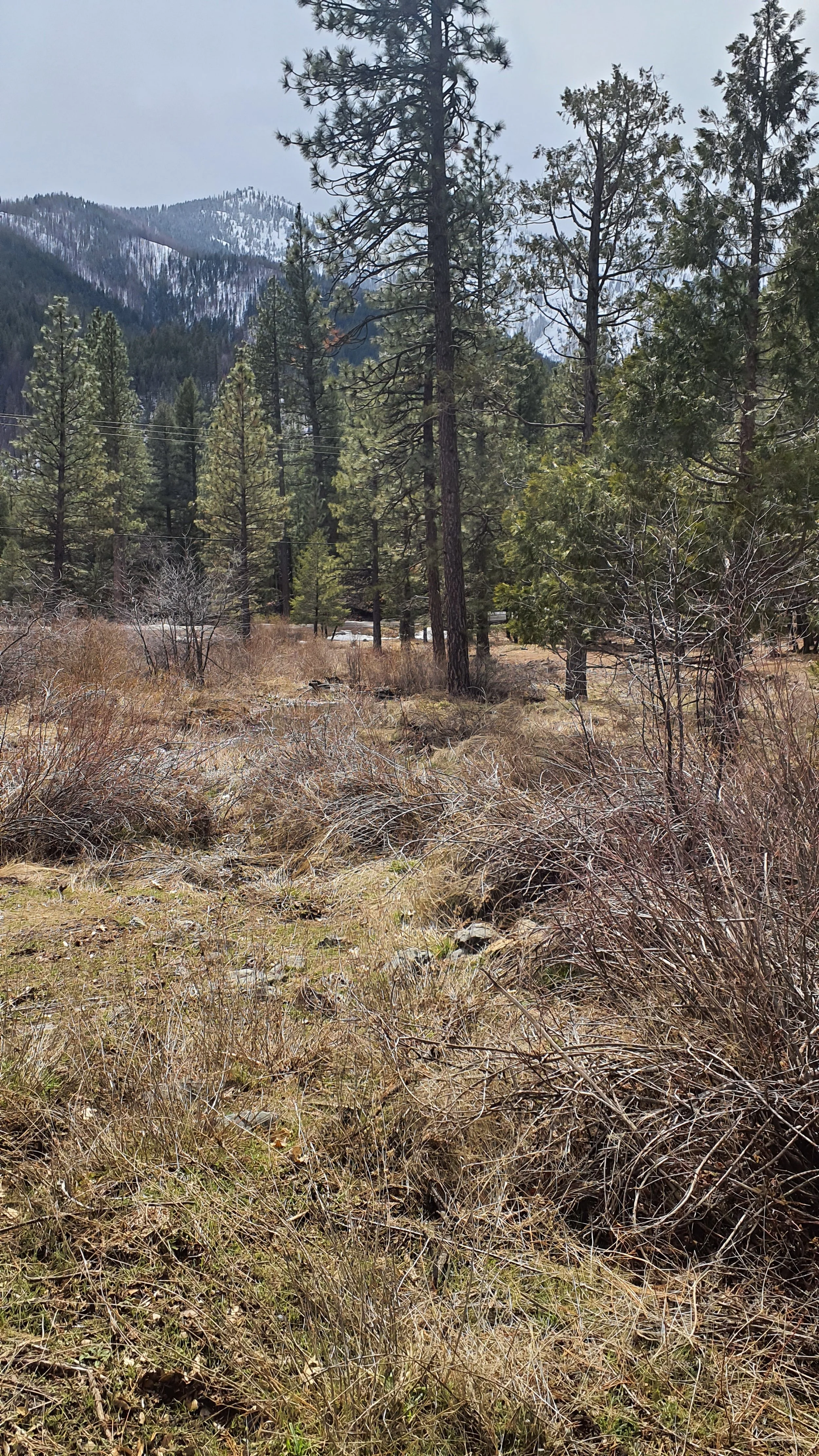
Mountain landscape with pine trees and dry grass in the foreground, snow-capped mountains in the background, and a cloudy sky.

The State of California has 33 million acres of forested lands in need of restorative management.

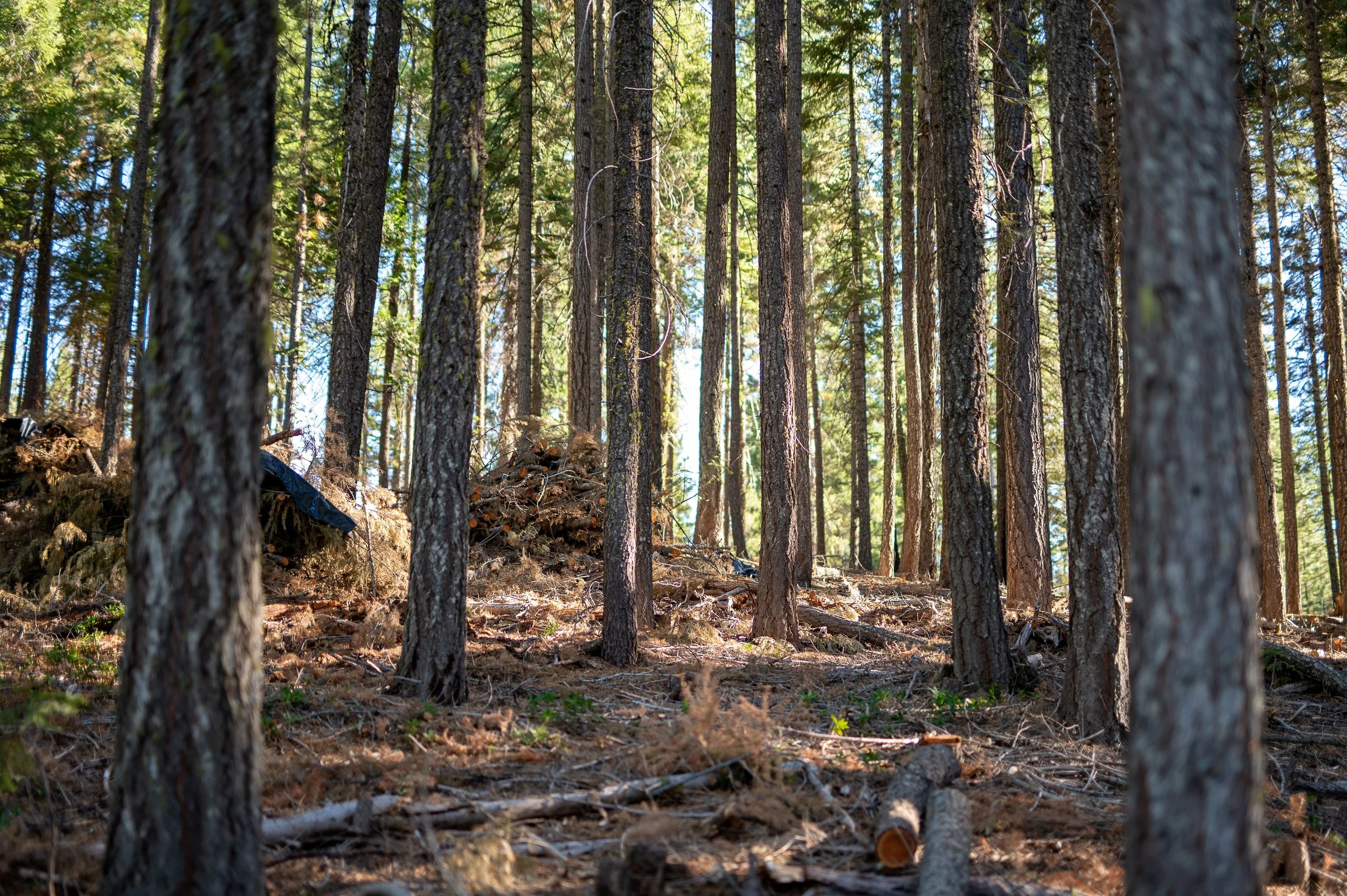
View of a forest with tall pine trees, sunlight filtering through the branches, and forest floor covered with pine needles and fallen branches.

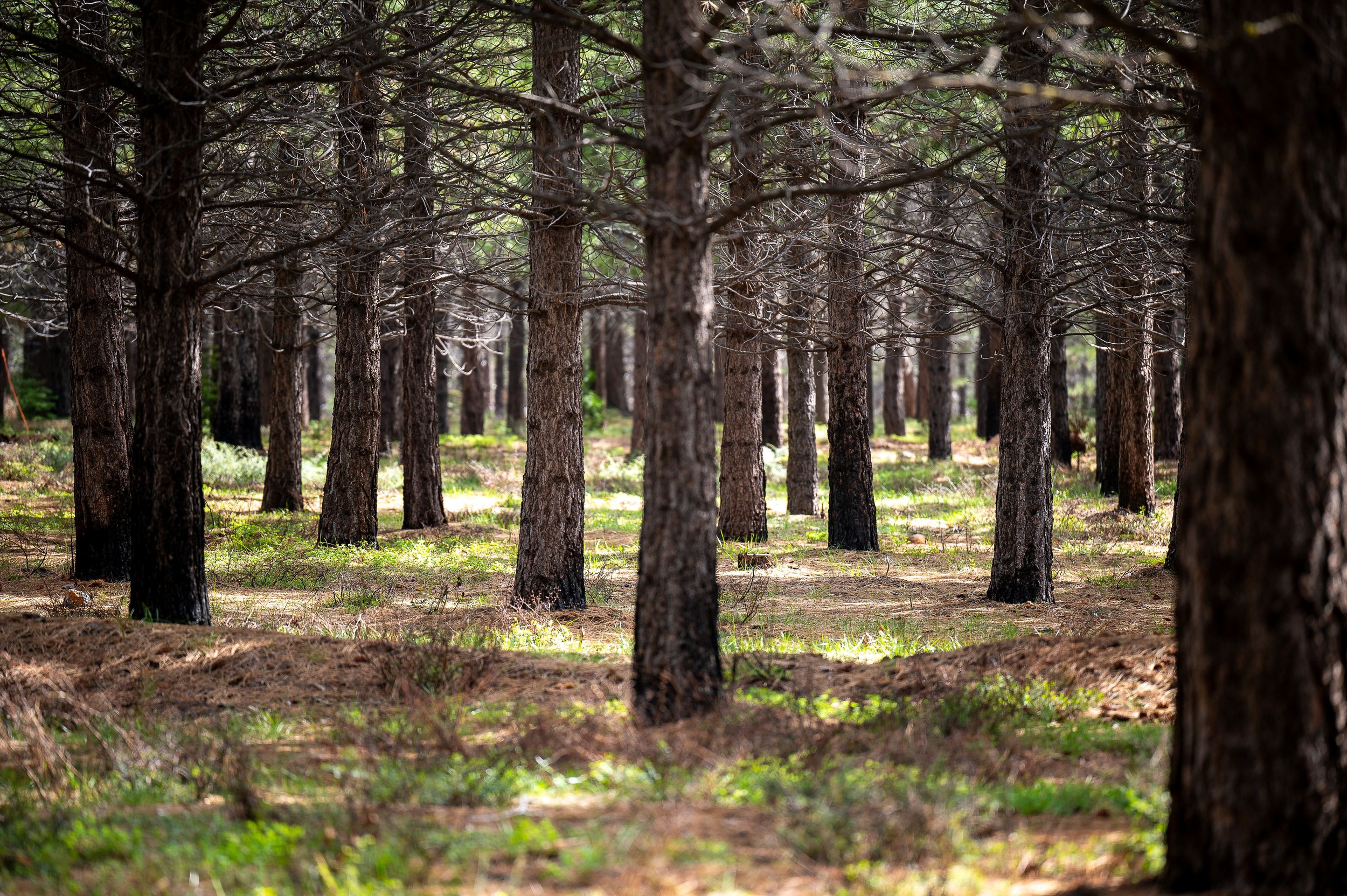
Nonprofit partner Sierra Institute contracts hand-thinning and other forest treatments on local public and private land.
Stacked small diameter logs of cut wood outdoors in a forested area.

Small diameter trees are a common and consistently underutilized by-product of forest treatments, often merely piled and burned.